Distributor research and selection across 40+ countries. Visit DistributorIQ.

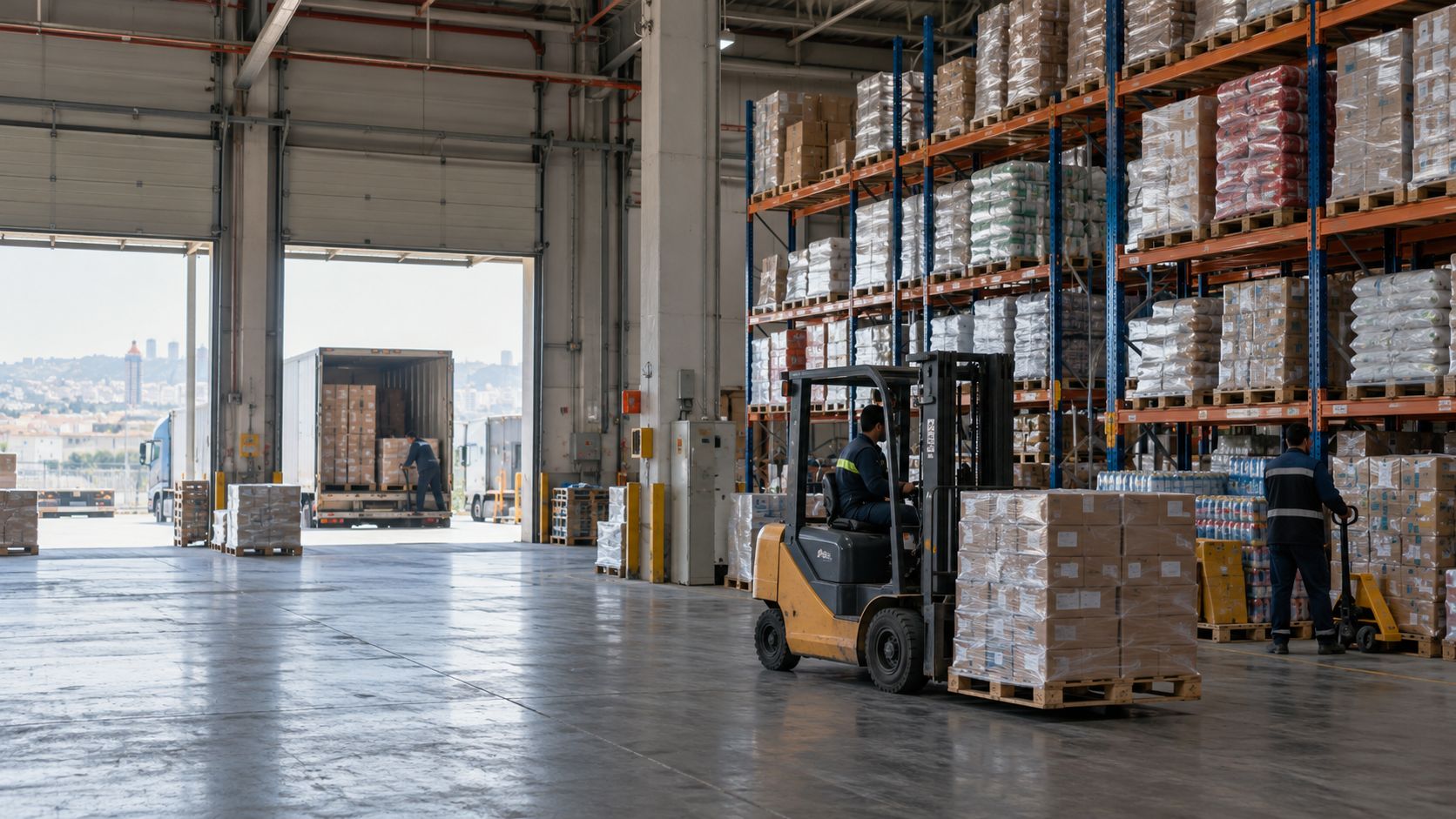
FMCG distribution warehouse in Türkiye with racked palletised goods, a forklift moving a pallet and a truck loading at an open bay.
Distributor selection

Distributor research and selection for brands entering Türkiye.

We identify, verify and shortlist the distributors that fit your sector and coverage needs across Türkiye's 81 provinces, testing ownership, registrations and real reach against what each company claims. Primary research in Turkish, scoped and priced before fieldwork begins.

$1.60tn GDP, 2025 (TurkStat)
86.1M Population, 2025 (TurkStat)
81 Provinces
Primary research in Turkish and English
Market overview

Understanding the Türkiye distribution environment: open to foreign ownership, protective of distributors.

Türkiye is an 86-million-person market with a $1.6 trillion economy and a manufacturing base that exports to Europe. That last point shapes everything. In most categories an imported brand competes with domestic producers whose distributors already sit in every channel, and the strongest distributors have long-standing Turkish principals to protect.

The channel is private-sector-led and polarised. In grocery, hard-discount chains with thousands of stores buy direct and push private label, while corner shops, independent pharmacies and the auto-parts traders of the industrial estates are still served through layers of regional dealers. In healthcare the buyer behind most volume is the state: Social Security Institution reimbursement sets the economics, and public hospitals buy through tenders under the Public Procurement Law.

Foreign ownership is not the obstacle. Foreign Direct Investment Law No. 4875 gives foreign companies national treatment, and there is no Gulf-style commercial agency register. The constraint arrives on exit. Article 122 of the Turkish Commercial Code lets an exclusive distributor claim portfolio compensation when the relationship ends, and any advance waiver is void.

The currency is the other structural fact. Since the 2018 lira crisis, distributors price, stock and extend credit in a currency that loses value inside the payment term, and medicine prices are converted at a state-set euro rate that sits far below the market rate.

Principals underestimate Türkiye because it looks European. The customs union with the EU and CE-harmonised standards suggest an EU distribution template will transfer. It does not: the compensation regime, the dealer layer and the lira each change what a sound agreement looks like.
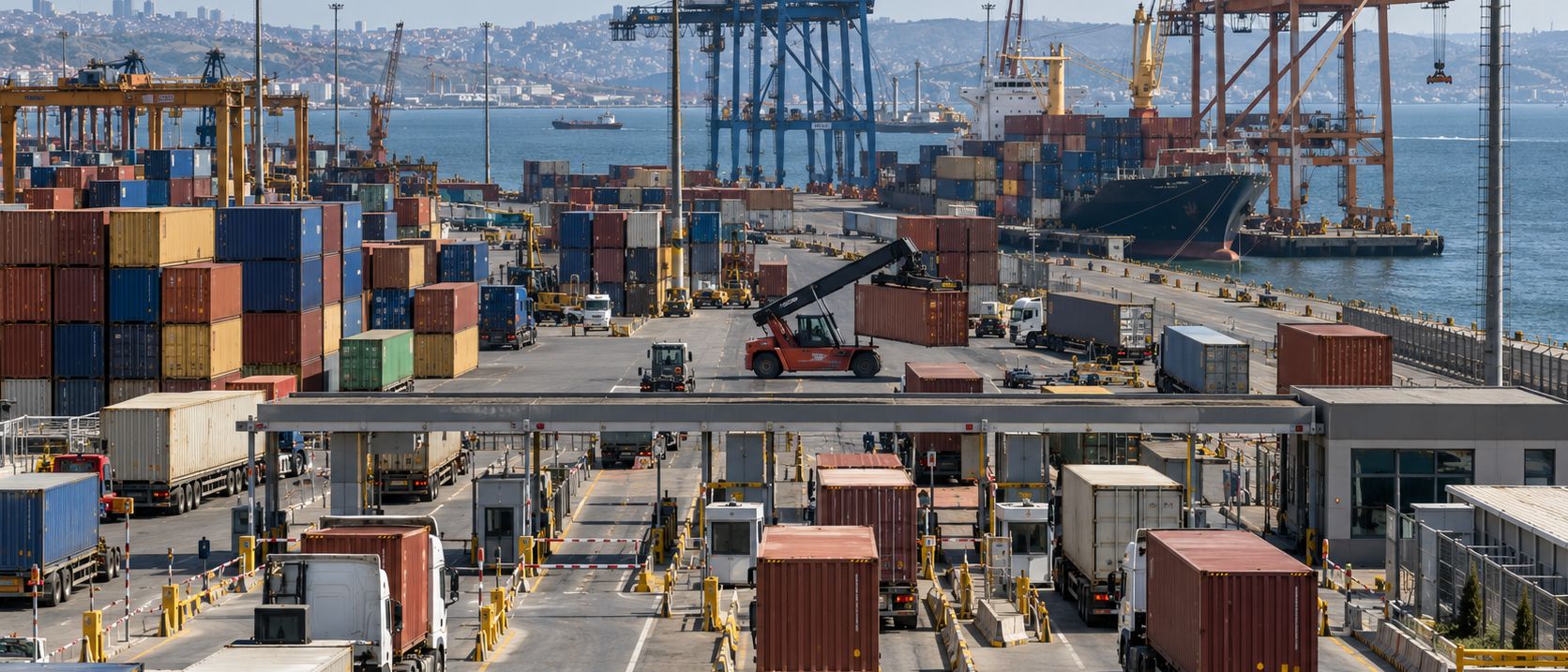
Container terminal on the Sea of Marmara in Türkiye with trucks queuing at the gates and gantry cranes behind.
Import flows concentrate on the Marmara ports. Customs union status removes duty on EU-origin goods, not on everything shipped from an EU warehouse.
The landscape

Türkiye: what the distributor landscape actually looks like.

Istanbul first, then a dealer list

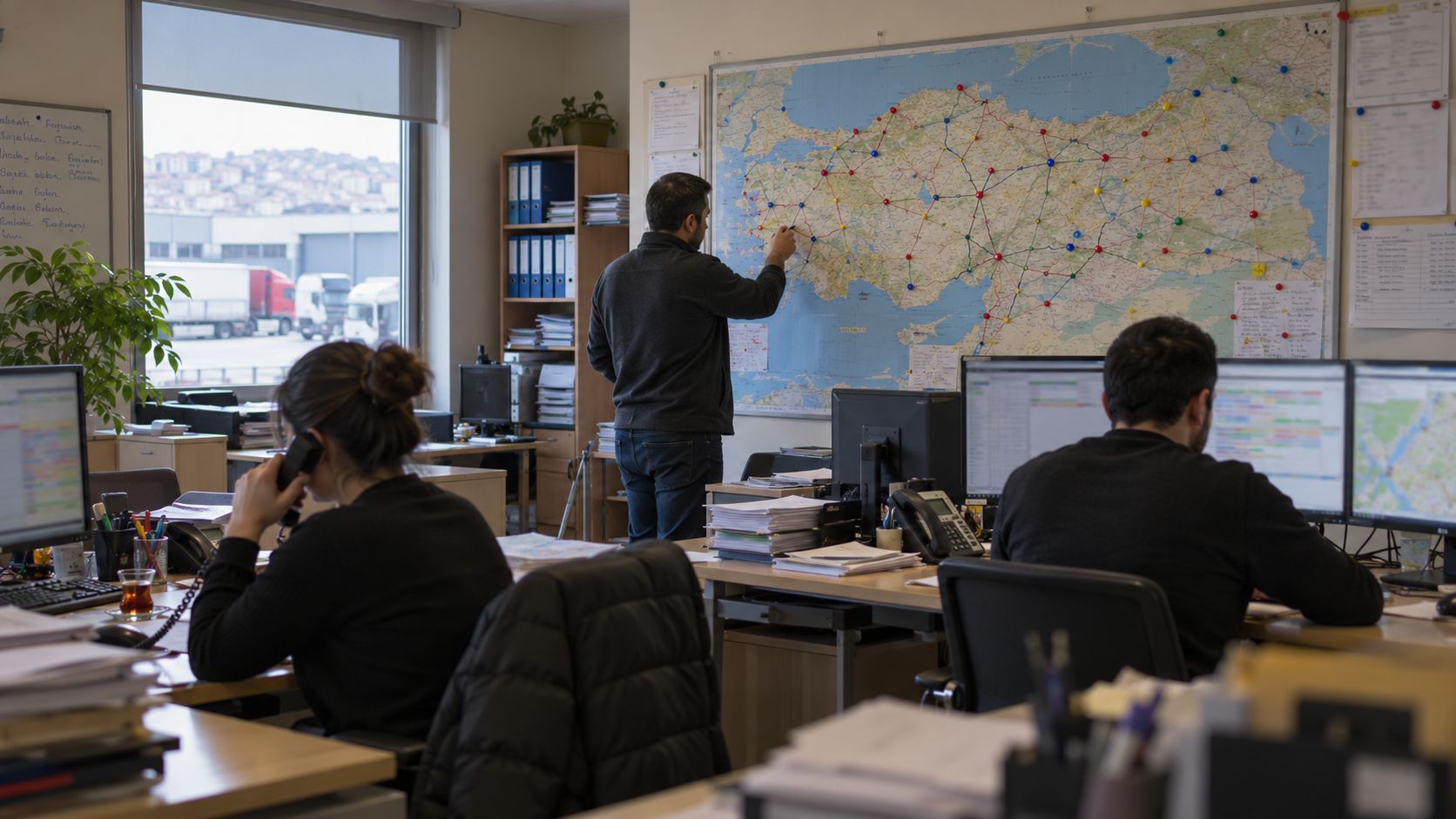
Istanbul holds 18.3% of the population, and the Marmara belt from Istanbul through Kocaeli to Bursa holds most distributor headquarters and import warehouses. Ankara and İzmir form a second tier. National coverage usually means owned operations in the west and appointed dealers, known as bayi, across central Anatolia, the Black Sea, the east and the southeast.

Distributor operations office in Türkiye with a wall map of Turkish regions and staff planning delivery routes.
Route planning by region. The map covers 81 provinces; the owned fleet typically covers the Marmara belt, and dealers carry the rest.
Holding groups and founding families

Large diversified holding groups own distribution companies alongside their own manufacturing and retail, which creates portfolio conflicts that never appear on a brand list. The mid-market is family-owned and often second-generation: decisions sit with the founding family, whoever attends the meeting.

What is genuinely regulated

Medicines need a TİTCK marketing authorisation held by a Turkey-established company, and every pack moves through the İTS track-and-trace system. Medical devices and cosmetics are registered in the ÜTS product tracking system against a named Turkish importer or authorised representative. For construction materials and automotive parts, CE harmonisation does most of the work, with TAREKS conformity checks at import.

The distributor as lender

Turkish distributors finance their customers. Post-dated cheques and promissory notes are routine instruments, and a distributor's balance sheet is largely its receivables book. In a falling lira, who carries currency risk between your euro invoice and their lira collections decides whether the relationship survives.

Where it goes wrong

Where Türkiye distributor appointments go wrong.

01 Exclusivity granted like a courtesy

An exclusive distributor who built your customer base can claim portfolio compensation on termination, capped at the average annual earnings of the last five years, and a waiver signed in advance is invalid. Principals who concede exclusivity in the first meeting discover the price at the exit. Decide before you negotiate whether exclusivity buys you anything, and take Turkish counsel on governing law and termination economics before signing.

02 National coverage that is a dealer network

Most national claims rest on bayi agreements: independent companies with their own portfolios, their own credit lines and no contract with you. Your product reaches Konya or Diyarbakır only if the dealer chooses to push it. Ask which cities have owned warehouses, which run through dealers, and whether those dealers carry a competing line, then visit one dealer outside the Marmara region.

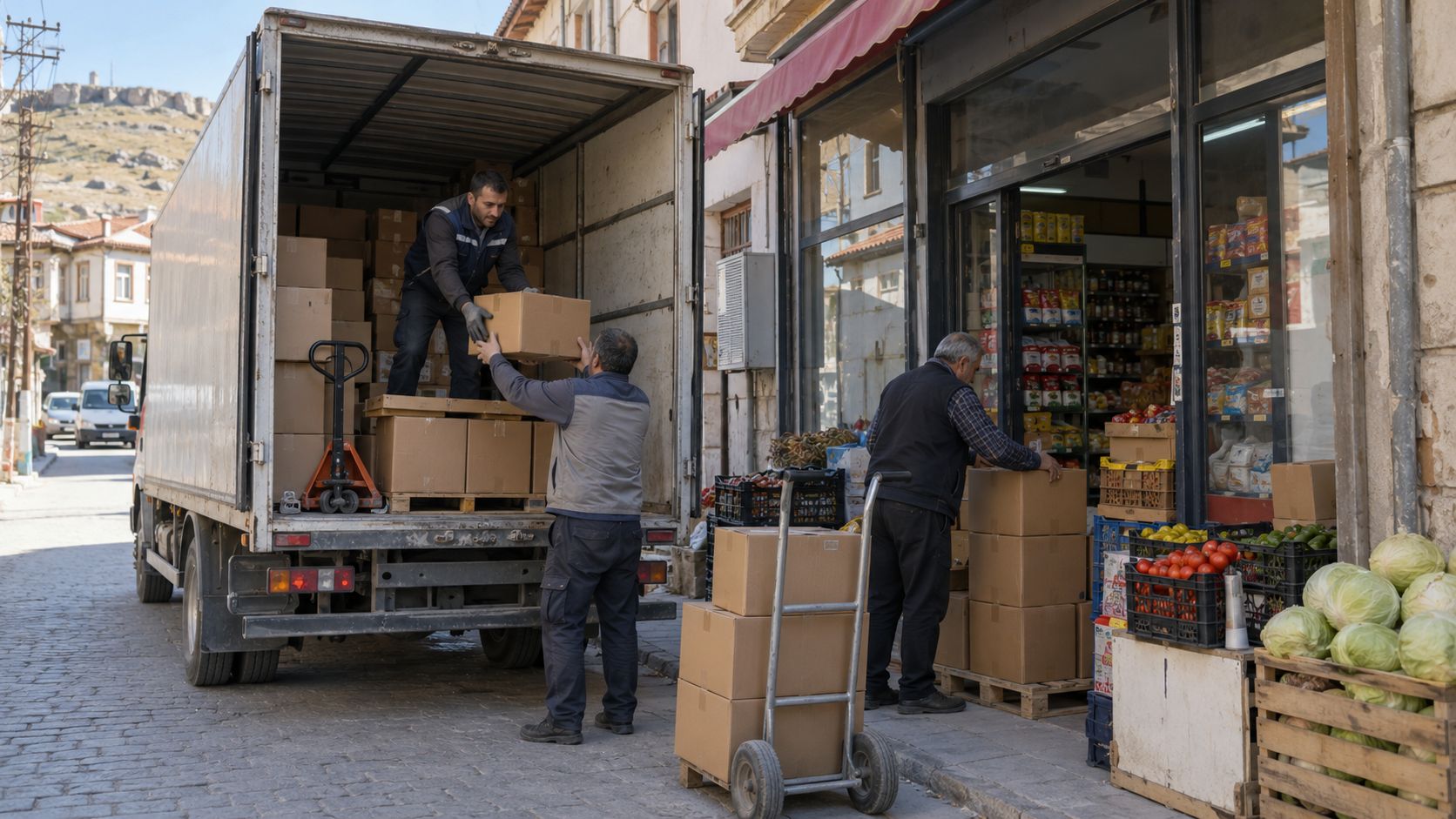
Delivery truck unloading packaged goods at a small grocery shop in a central Anatolian town in Türkiye.
A provincial drop in central Anatolia. Outside the western cities, the truck usually belongs to a regional dealer, not the distributor you signed.
03 Assuming the customs union covers you

The customs union removes duty on EU-origin industrial goods, but Türkiye applies additional customs duties to many tariff lines when the goods originate outside the EU, even when they ship from an EU warehouse with an A.TR certificate. An Asian-made product priced on duty-free assumptions arrives uncompetitive. Check your HS codes against the additional duty schedule by country of origin before you set a distributor price.

04 Pricing in euros, collecting in lira

A euro price agreed at signing becomes a shelf price no retailer will accept two devaluations later, and the distributor absorbs the gap until it stops ordering. In medicines the squeeze is formal: prices convert at a state-set euro rate pegged to 65% of the prior year's average. Agree in writing who carries currency risk, what triggers a reprice, and the maximum maturity on customer cheques.

05 Letting the distributor hold the registration

If your distributor holds the TİTCK authorisation or is the registered importer for your devices in ÜTS, changing partner means a transfer they must cooperate with. That cooperation is negotiated at the worst possible moment. Hold registrations in your own Turkish entity or with an independent licence holder, and write transfer cooperation into the agreement from day one.

How we work

How DistributorIQ finds distributors in Türkiye.

We start from the evidence a distributor cannot embellish: TİTCK and ÜTS registrations, import records, and the distribution routes of brands already selling in your category. Every candidate is checked against the Trade Registry Gazette for current shareholders, capital changes and board appointments, which is how we trace holding-group ownership and the portfolio conflicts that come with it.

Coverage is mapped by province. We separate owned warehouses and sales teams from bayi agreements, and establish which dealers carry competing lines. We read financial indicators against the credit terms the distributor offers its own customers, because in Türkiye a weak receivables book surfaces as missed orders long before it surfaces in accounts.

Primary research is conducted in Turkish, with distributors, their dealers and the pharmacies, retailers and workshops they claim to serve. We also check the origin and tariff position of your products before shortlisting, so the commercial terms we test are ones that hold at the border.

Commercial office of an FMCG distributor in Türkiye with the sales team reviewing reports at their desks.
The commercial team that presents the coverage claim.
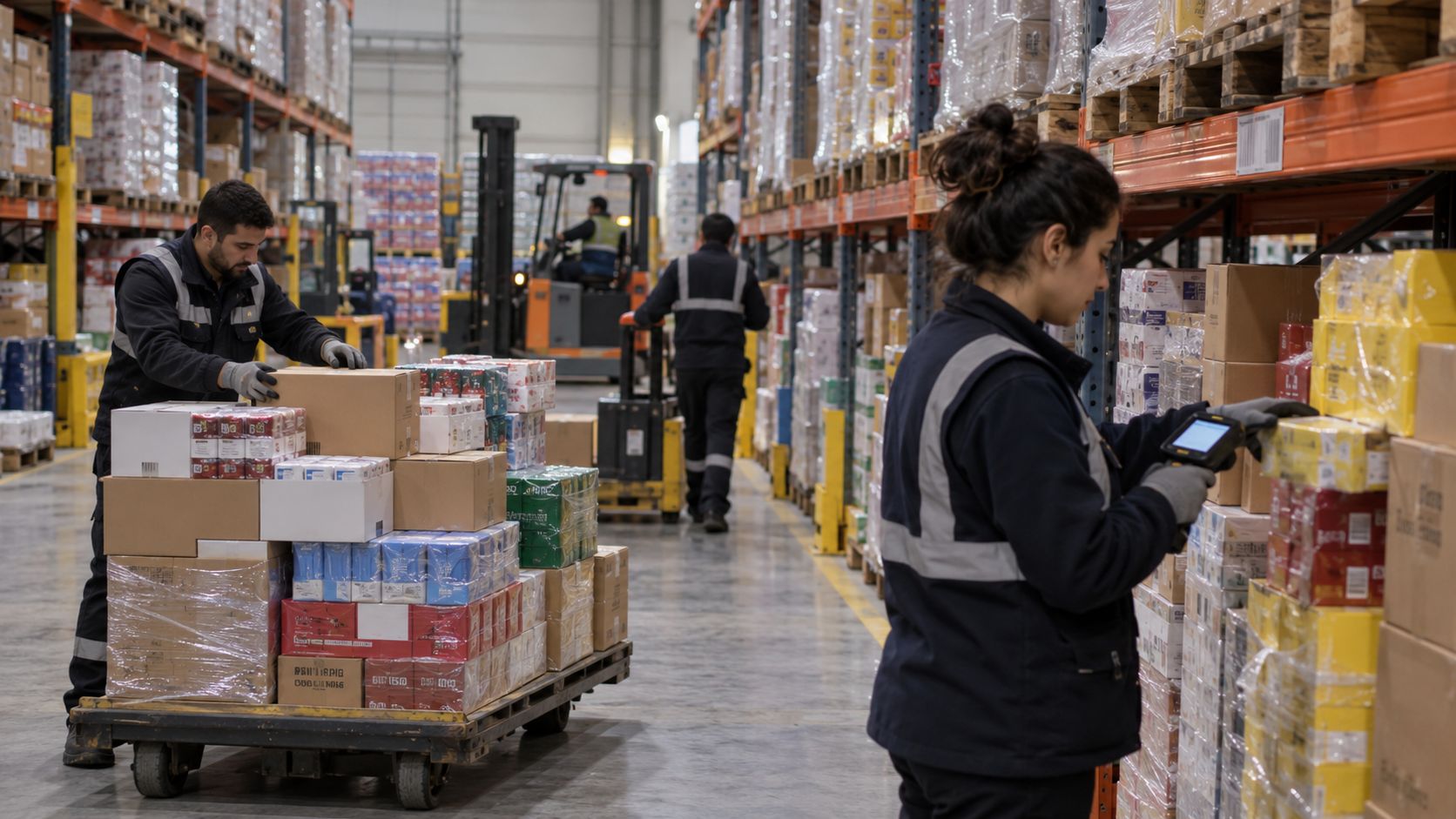
Order picking in an FMCG distribution centre in Türkiye with staff using handheld scanners to build mixed pallets.
The warehouse that has to deliver it. We verify one against the other.
Distributor research

We research, verify, and present the distributors that match your sector, geography, and commercial requirements in Türkiye. Tell us what you need.

Tell us your requirement
40+ markets

The same research process operates across 40+ countries. Any market, any sector. Scoped and priced before fieldwork begins.

Get in touch

Tell us about your Türkiye distribution requirement.

We respond to every enquiry with a scoped outline of what we can cover for your market and sector, before any commitment.

Please enter your name.
Please enter your company.
Please enter a valid email address.
Please select a sector.

Confidential by default. We don't share enquiry details with distributors or third parties.

From the insights

Further reading on Türkiye distribution.

Agreements What "exclusive" actually means in a distribution agreement

The four things exclusivity attaches to and the clauses that decide whether you can ever leave.

Registration Who holds your product registration?

Why the holder of your market authorisation decides whether you can change distributor.

Selection How to find a distributor

The process for defining, longlisting, verifying and negotiating a distributor appointment.

More on distributoriq.com/insights